


The Nature of Luck in Gambling
Luck is often perceived as a mystical force that can sway the outcomes of games of chance. In gambling, the idea that luck can directly impact results is both alluring and debatable. Many players enter casinos with the belief that they possess a good or bad streak, convinced that luck plays a crucial role in their financial successes or failures. For those interested in gaming, exploring an online casino australia can offer various experiences that enhance this psychological connection, leading to superstitious behaviors, such as carrying lucky charms or following specific routines before placing bets, signaling a deeper psychological connection to luck in the gaming experience.
The randomness inherent in casino games becomes a primary component of this discussion. Games like slots, roulette, and blackjack rely on chance and probability, which are designed to ensure each play is independent of previous results. However, the human inclination to seek patterns and connections can create an illusion that luck is a factor in determining outcomes. This need for control in an unpredictable environment often magnifies the role that luck appears to play in gambling.
Moreover, casino players frequently recount stories of encountering phases of unexpected fortune, reinforcing the belief in luck’s influence. These anecdotes, regardless of odds or statistical probabilities, can foster a culture where players feel empowered by their perceived lucky moments. They often overlook the fundamental principle that over the long run, the house always holds an advantage due to the odds structured in their favor, which can lead to a skewed understanding of luck versus skill in gambling.
The Role of Skill in Casino Games
While luck is often a focal point in discussions about gambling, it’s essential to recognize the role of skill. Certain games, like poker and blackjack, require strategic thinking and decision-making that can significantly influence a player’s success. A skilled player in these games can consistently outperform those who rely solely on luck. Understanding probabilities, reading opponents, and employing sound betting strategies can shift the odds in favor of a knowledgeable player, illustrating that skill can sometimes trump mere fortune.
In contrast, games strictly based on chance, such as slot machines and craps, tend to diminish the impact of skill. These games are structured around random number generators and predetermined odds, making it virtually impossible for players to manipulate outcomes through skillful play. Yet, even in these scenarios, it can be argued that the choices players make—such as the amount wagered or the specific games selected—can still be seen as skillful decisions that influence overall gambling experiences, albeit in a less direct way.
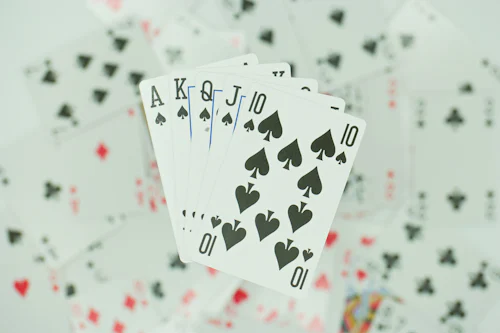
Ultimately, the balance between luck and skill varies significantly across different casino games. Understanding this distinction is crucial for players, as it helps set realistic expectations and influences their approach to gambling. Acknowledging that both elements contribute to the gaming experience allows players to appreciate the entertainment value of casinos while fostering a responsible gambling mindset.
The Psychological Impact of Believing in Luck
The belief in luck can have profound psychological effects on casino players, shaping their emotional responses and gambling behaviors. When players feel lucky, they are often more willing to wager larger amounts, take risks, or play longer. This heightened sense of confidence can lead to increased enjoyment and thrill, but it can also result in negative consequences if it leads to reckless gambling. Understanding the psychological impact of luck is essential for promoting responsible gambling habits.
Cognitive biases related to luck also play a part in the gaming experience. For example, the gambler’s fallacy suggests that past results can influence future outcomes, leading players to believe they are due for a win after a series of losses. This flawed reasoning can lead to increased losses, as players may continue to chase their perceived luck, ultimately falling into a cycle of frustration and disappointment. By recognizing these mental traps, players can better manage their expectations and approach their gaming sessions more thoughtfully.
Furthermore, the social aspect of gambling often reinforces beliefs in luck. Players share their experiences, discuss strategies, and bond over perceived lucky moments. These narratives contribute to a community where luck is celebrated and mythologized. While such camaraderie can enhance the enjoyment of gaming, it is vital for players to remain aware of the underlying mechanics of the games they play and resist the allure of luck-driven decision-making.
The House Edge and Its Influence on Outcomes
In any discussion about outcomes in casino gambling, understanding the house edge is crucial. The house edge is a built-in advantage that casinos hold over players, ensuring that, over time, the casino profits regardless of individual player outcomes. This mathematical reality highlights the importance of recognizing that while luck might influence short-term results, the odds are ultimately structured to favor the house. Recognizing this dynamic can help temper expectations and promote more educated gambling habits.

For example, in games like blackjack, the house edge can be minimized through optimal strategy. Players who educate themselves about card counting or basic strategy can reduce the house’s advantage, placing greater emphasis on skill and decision-making rather than pure luck. In contrast, in games such as roulette, with its fixed odds and no possibility for skilled play to influence outcomes, luck becomes the primary determinant of wins and losses, solidifying the notion that luck plays a critical role.
Understanding the house edge provides valuable insights into why many players feel they are at the mercy of luck. While short-term streaks of good or bad luck occur, over time, the math behind the games will prevail. This knowledge can lead to more informed decisions about game selection, betting strategies, and ultimately, how players engage with the casino experience. Awareness of the house edge is crucial for adopting a balanced view of luck versus skill in gambling.
Your Journey in Online Casinos
As you explore the world of online casinos, it’s important to approach the experience with a balanced mindset regarding luck and skill. Much like traditional casinos, online platforms offer a blend of games that rely on both chance and strategy. Understanding this balance can greatly enhance your gaming experience and help you make informed decisions. By familiarizing yourself with the odds, house edge, and the skill requirements of various games, you can develop a personalized gaming strategy that aligns with your preferences.
Furthermore, ensure you take advantage of the resources available through online casinos. Many platforms provide tools and guides aimed at helping players understand the intricacies of their games. Utilizing these resources can enhance your skills and allow you to make more strategic decisions regarding your gameplay. In addition, keeping track of your wins and losses can provide valuable insights into your own behaviors and help you identify patterns pertaining to luck and skill in your gambling journey.
Ultimately, your online gaming experience should be enjoyable and responsible. Embrace the entertainment aspect of playing while acknowledging the inherent risks involved. By maintaining reasonable expectations and a responsible approach to wagering, you can enjoy the thrill of the game without falling victim to the pitfalls often associated with misconceptions about luck in casinos. Remember, successful gambling is about finding a balance that works for you, blending the thrill of chance with a solid understanding of skills and strategies.
